
Life is full of unpredictable moments, some of which can be downright frightening. Whether it’s economic instability, global crises, health scares, or personal upheaval, times of uncertainty can create a unique challenge to our mental well-being. We crave stability, yet when life feels like it’s shifting beneath us, it can feel impossible to find steady ground. The good news? There are ways to cope and even grow stronger through these uncertain times. Here’s how to weather the storm of scary times with resilience and purpose.
1. Acknowledge Your Feelings
The first step in dealing with fear and uncertainty is to acknowledge your feelings. Fear, anxiety, and worry are natural reactions to the unknown, and suppressing them can often make things worse. Give yourself permission to feel what you’re feeling. Write it down, talk to someone you trust, or even just say it out loud to yourself. Recognizing these emotions helps us process them and avoid letting them fester into deeper issues.

2. Focus on What You Can Control
In uncertain times, we tend to fixate on what’s out of our control, which can magnify feelings of helplessness. Instead, shift your focus to what you can control. Create a list of actionable steps that give you a sense of purpose, whether it’s managing your finances, creating a daily routine, or committing to a self-care practice. Taking control, even in small ways, can make a big difference in restoring a sense of stability.
3. Develop a Routine
Routines offer a sense of normalcy, which is incredibly powerful when life feels chaotic. While flexibility is important, building a routine that includes exercise, nutritious meals, sleep, and a set wake-up time can provide an anchor during turbulent times. Having a consistent structure in your day can also help reduce stress and give you something positive to focus on.

4. Limit Your News Intake
It’s essential to stay informed, but too much exposure to distressing news can increase anxiety. Set boundaries on your news consumption. Choose one or two trusted sources and limit the time you spend on news updates. Consider “digital detox” times throughout your day where you avoid any online news. Reducing media exposure can help you focus on the present and create a sense of calm amid the noise.

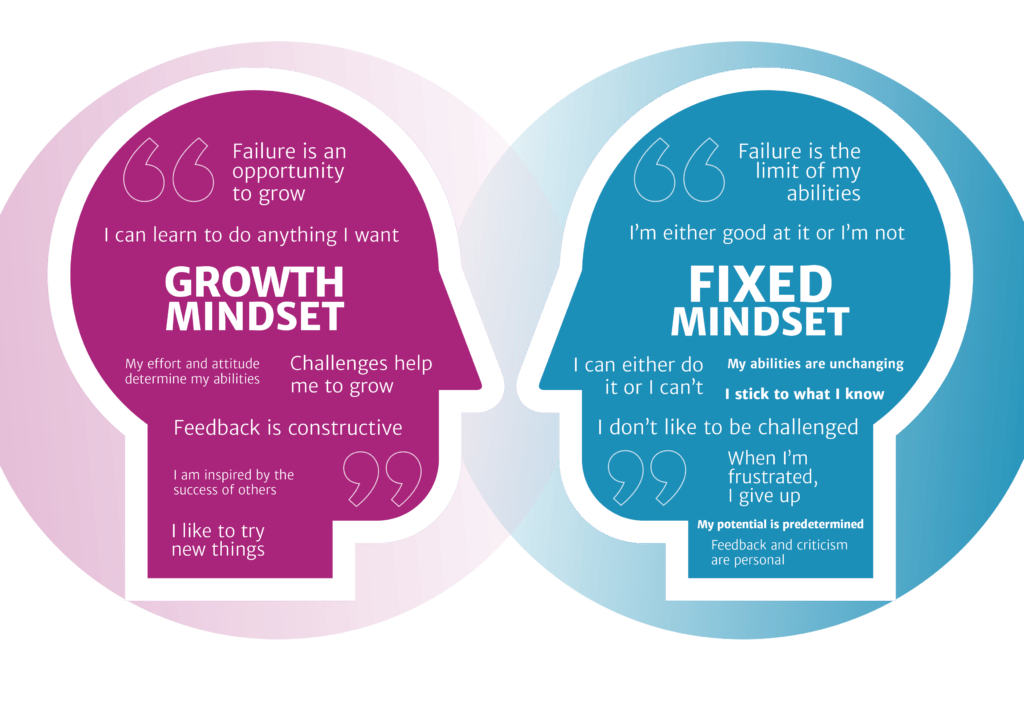
5. Cultivate Resilience with a Growth Mindset
Adopting a growth mindset can transform your approach to challenges. See these difficult times as opportunities for growth. Ask yourself: What can I learn from this experience? What skills am I developing? Embracing a growth mindset helps you view adversity as a stepping stone rather than a setback, which can cultivate resilience and a deeper sense of purpose.
6. Practice Gratitude Daily
Gratitude is a powerful tool that can shift your focus from what you lack to what you have. Make it a habit to write down three things you’re grateful for each day, even if they’re small things. Practicing gratitude can boost your mood, increase optimism, and create a buffer against stress, helping you build a stronger foundation for facing uncertain times.

7. Connect with Others
Isolation can amplify feelings of fear and uncertainty, but connection reminds us we’re not alone. Reach out to friends, family, or even community groups to build a support system. Talking to others can offer new perspectives, emotional relief, and even a few laughs. In scary times, staying connected is crucial to maintaining hope and resilience.

8. Embrace Mindfulness and Meditation
Mindfulness helps you stay rooted in the present moment, reducing the tendency to spiral into worry about the future. Consider starting a meditation practice, even for just five minutes a day, or incorporate mindful breathing exercises when you feel overwhelmed. Apps like Headspace, Calm, or Insight Timer offer guided exercises that can be helpful for beginners.

9. Seek Professional Help When Needed
Sometimes, the weight of uncertainty can be too much to bear alone, and that’s okay. Reaching out to a therapist, counselor, or life coach can offer valuable tools and insights to manage anxiety and build resilience. Professional support is a sign of strength, not weakness, and can be a powerful aid in navigating scary times.

10. Believe in Your Inner Strength
Finally, remember that you’ve faced challenges before and come out the other side. Reflect on past experiences where you found strength you didn’t know you had. Remind yourself that you have the resilience to get through tough times. Believing in your own strength can empower you to take each day as it comes, no matter how unpredictable the future feels.

In the end, uncertainty is a part of life that we can’t avoid, but how we respond to it is entirely within our control. By focusing on resilience, practicing gratitude, and nurturing your connections, you can weather the storm with grace. And in the process, you might just find that you’re capable of more than you ever imagined. Remember, this too shall pass—so keep moving forward, one step at a time.
 Evolve Life Coaching NYC
Leave a comment